
Dakota Access Pipeline represents safest possible transport mode for crude oil
One of the main concerns that have plagued the oil industry throughout the United States has been the threats of serious breaches of safety as a direct result of transporting the potentially dangerous substance from its site of production to its final point of refinement. Get Additional Information Here.
Critics of the industry are not without merit. It turns out that there have been dozens of serious incidents over the last decade throughout the United States, most of which were the result of trains carrying massive amounts of sweet crude oil that derailed from the tracks or otherwise encountered serious adverse circumstances. Many of these have resulted in major property damage. And a few such incidents have even resulted in unfortunate deaths. Go Here to learn more.
Since at least the late 2000s, oil producers throughout the Bakken Shale region have sought to find a way of transporting oil that is environmentally responsible as well as safe enough to win the support of all stakeholders throughout the communities in which they operate and across the country as a whole. Starting in June of 2017, the solution to this problem has been found. The Dakota Access Pipeline represents one of the safest and most efficient forms of oil transport that the United States has ever seen.
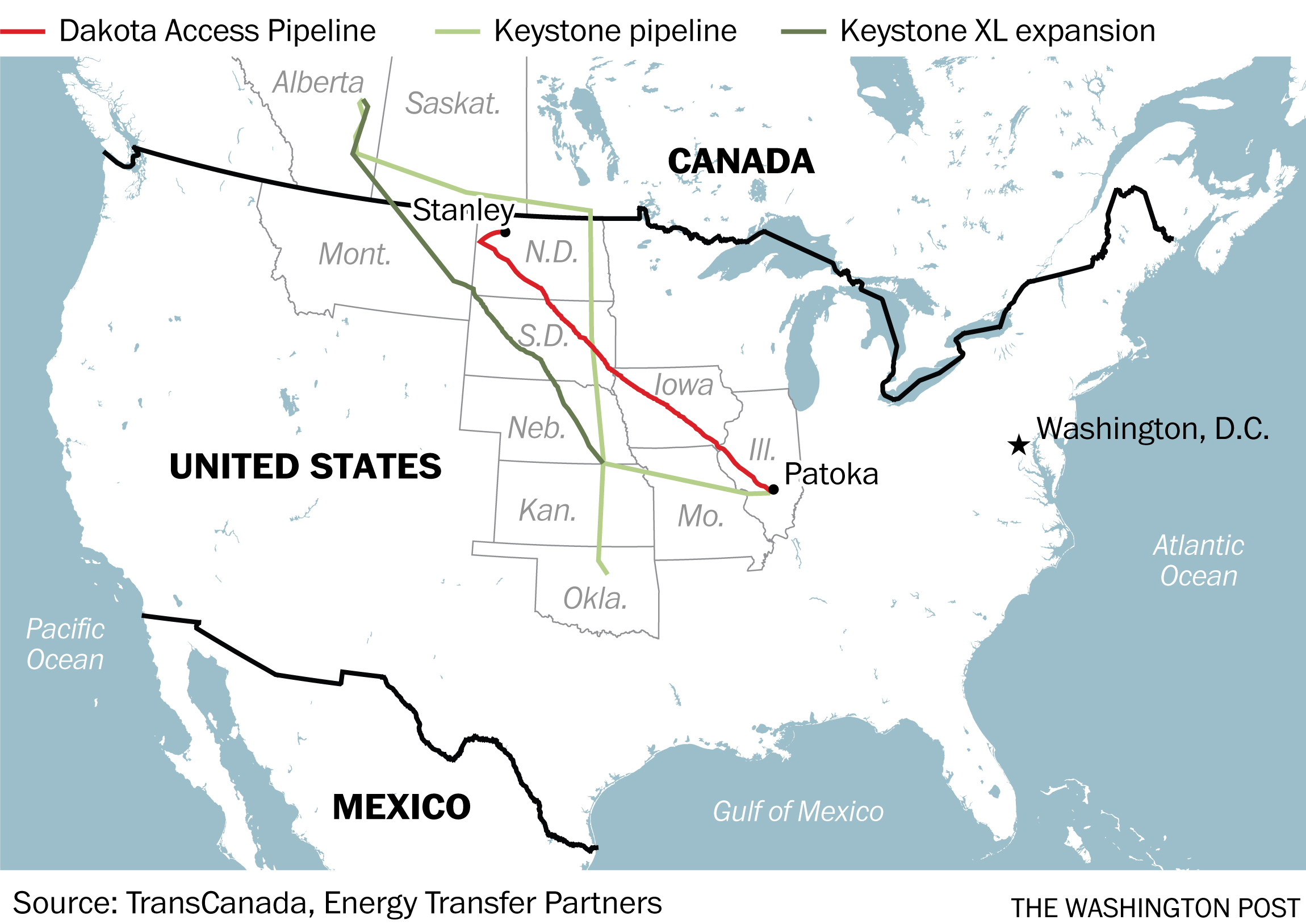
The pipeline is capable of carrying up to 570,000 barrels of oil per day from production sites in North and South Dakota to a refinery located in Patoka, Illinois. This represents a substantial portion of the daily output of all production sites located throughout the Bakken Shale Formation, vastly increasing the efficiency and safety of transporting oil out of this region of prodigious crude oil output.
But most importantly, the Dakota Access Pipeline confers a sense of security for all those who are located along crude-oil transportation routes. The considerable risk that stakeholders along transport routes once were forced to take on have been almost fully mitigated by the advent of this high-capacity oil pipeline.
Read more about DAPL on https://www.forbes.com/sites/brighammccown/2018/06/04/what-ever-happened-to-the-dakota-access-pipeline/#4d3effc14055